
Tenant and permission model
Isolation, roles, sub-organisations and administrative access are implemented and tested as explicit system boundaries.
System model with clear tenant boundaries
We develop SaaS products in which tenant isolation, roles, billing, APIs and operations are planned as a shared platform architecture.
Multi-tenancy in practice
Multi-tenancy does not end with a tenant_id. Data access, permissions, background jobs, emails, exports and support tools must consistently respect the same boundaries.
Shared foundation
Roles, plans, background processes and integrations must respect the same tenant boundaries and be tested specifically as functionality grows.
Isolation, roles, sub-organisations and administrative access are implemented and tested as explicit system boundaries.
Plans, add-ons, feature gating and billing processes are built so that they can be extended independently and tested reliably.
Our work covers the first release as well as migrations, support, security updates and continuous product development.
Practical evidence
Membergy is the central example of multi-tenancy, continuous product development and operation of a platform with broad business functionality.
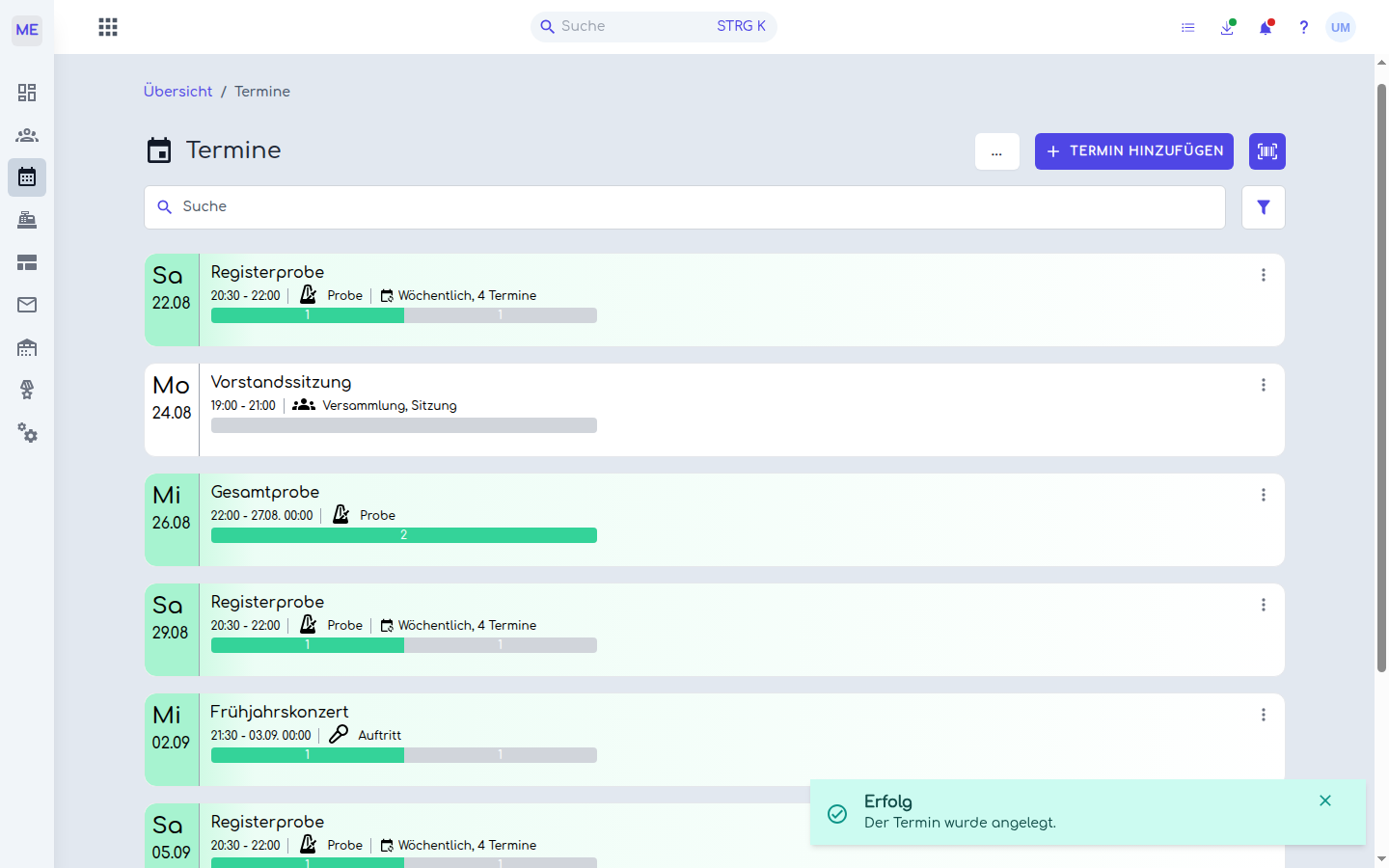
Membergy combines membership management, fees, events, communication and secure access in a multi-tenant platform for clubs and associations.
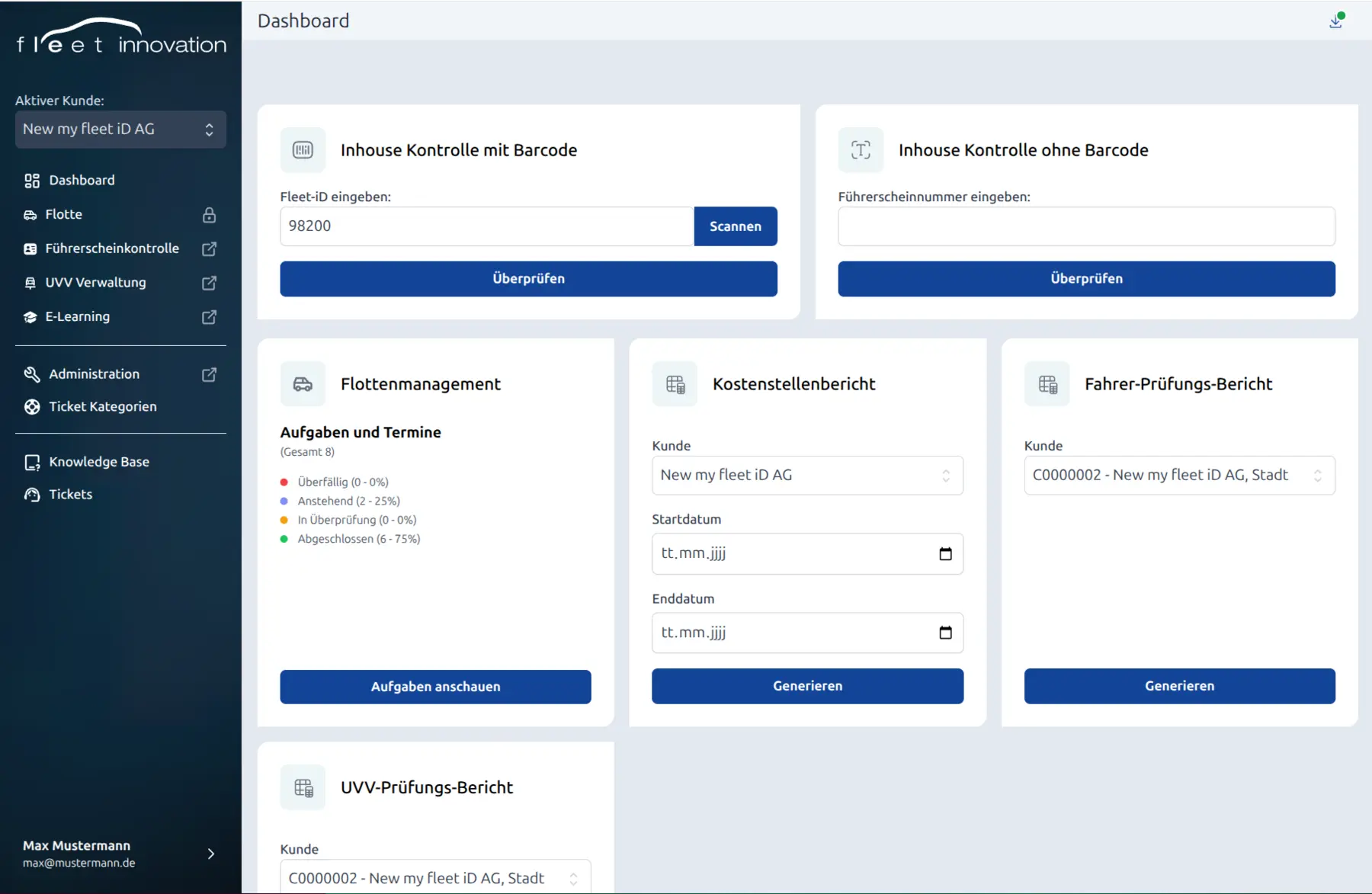
Long-term modernisation and development of a production platform for driving licence checks and fleet management.
Related services
Initial technical discussion
We consider data spaces, roles, plans, integrations and operations together, before implicit boundaries become a product risk later.